
Mental Health Activities: Practical Ideas for Everyday Wellbeing
Estimated reading time: 8 minutes
Key takeaways
- Choose what feels accessible today, then adjust based on how it fits your time, energy, ability, and circumstances.
- The NHS framework of five steps to mental wellbeing is: connect, be active, learn, give, and take notice.
- Start with one activity, not a full routine, and treat suggestions as options—not a checklist.
- Wellbeing activities can be supportive, but they aren’t a substitute for professional care when you need it.
Table of contents
- Mental Health Activities: Practical Ideas for Everyday Wellbeing
- Key takeaways
- Table of contents
- 1. Connect with someone in a manageable way
- 2. Choose movement that fits your day
- 3. Learn or make something
- 4. Do one small act of kindness
- 5. Take notice of what’s happening now
- More low-pressure ideas to try at home
- How to make mental health activities easier to keep up
- When an activity isn’t enough
- Frequently asked questions
- What are some simple mental health activities?
- Do I need to do all five steps?
- What if an activity doesn’t feel helpful?
- When should I seek professional help?
If you’re looking for mental health activities that fit into ordinary life, start with one small thing: send a message to someone you trust, take a short walk, try a simple recipe, or pause to notice what’s around you. These activities may support everyday wellbeing, but they’re options—not a cure, a test of willpower, or a substitute for professional care when you need it.
A useful starting point is the NHS framework of five steps to mental wellbeing: connect, be active, learn, give, and take notice. The steps can overlap, and you don’t need to do all five. Choose what feels accessible today, then adjust based on how it fits your time, energy, ability, and circumstances. The NHS describes these steps as things that could help support mental wellbeing.
1. Connect with someone in a manageable way
Connection doesn’t have to mean a long conversation or a busy social event. You might text a friend, call a relative on the way home, share a meal, or sit with someone while you both do your own thing. If meeting in person feels difficult, a brief message can be a reasonable first step.
The point isn’t to force yourself to be sociable. It’s to make room for contact that feels safe and worthwhile. Supportive relationships can offer a sense of belonging and emotional support, according to the NHS guidance on mental wellbeing.
Try this: Send one specific invitation rather than a vague “We should catch up.” For example: “Would you like to have coffee on Saturday?” If you don’t have someone you can contact right now, consider a class, club, or community group built around an activity you already enjoy. A low-pressure shared interest can make conversation easier.
2. Choose movement that fits your day
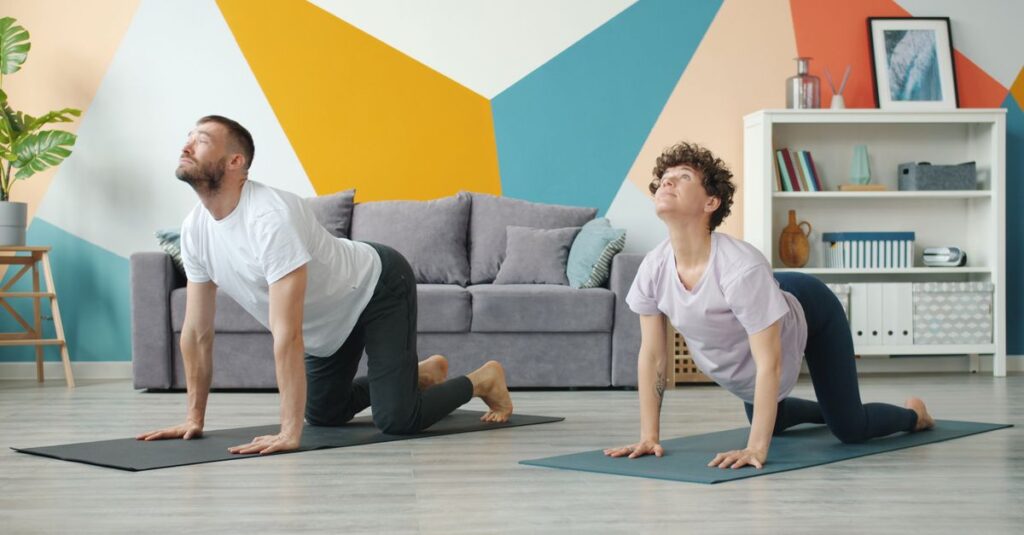
Being active could mean walking, gardening, stretching, dancing in your kitchen, or moving around while doing a practical task. It doesn’t have to be strenuous or take place in a gym. The CDC recommends starting small and building up; even a small amount of physical activity may help with wellbeing. Its guidance on managing stress doesn’t set one routine that suits everyone, so treat movement as something to adapt rather than a fixed target.
Make it easier to begin: Attach movement to something already in your day. You could walk briefly after lunch, stretch while waiting for the kettle, or take a few minutes outside between tasks. If your energy or mobility is limited, choose a gentler option that feels manageable. If a particular activity isn’t accessible or enjoyable, it’s fine to try another.
The useful question isn’t whether you’ve done enough. It’s whether this kind of movement is workable for you today. If you have health concerns about starting an activity, ask a healthcare professional for advice that fits your situation.
3. Learn or make something
Learning can be practical and small: cook a dish you haven’t tried, mend an item of clothing, practise a few phrases in another language, or work on a simple craft. You don’t need to become good at it or finish a large project. The NHS notes that learning may support confidence, purpose, and opportunities to connect with others. Its five-step guide also suggests that learning can take place alongside other wellbeing steps.
Pick a project with a clear first action. “Learn to cook” can feel like a lot; “choose one recipe and get the ingredients” is easier to start. If you’d enjoy company, learn with someone else—try a class, follow a recipe together, or ask a friend to show you a skill.
If you start feeling frustrated, make the task smaller or switch to something more enjoyable. An activity meant to support your wellbeing doesn’t need to become another performance goal.
4. Do one small act of kindness
Giving doesn’t have to mean volunteering for hours or taking on someone else’s responsibilities. It could be sending an encouraging message, offering practical help with a specific task, or thanking someone who helped you. If you have the time and capacity, volunteering is another option.
The NHS includes giving and kindness among its five steps, noting that they may support positive feelings, purpose, and connection. The guidance presents these as possible benefits, not guaranteed results.
Keep the gesture realistic. If you’re already stretched, a brief message may be more appropriate than a commitment you can’t sustain. Helping should not mean ignoring your own limits.
5. Take notice of what’s happening now
Taking notice means paying attention to the present moment: what you see, hear, feel in your body, or notice in your thoughts. The NHS describes this kind of awareness as mindfulness. It doesn’t require special equipment or a long meditation session. The NHS five-step guide includes it as one possible route to supporting wellbeing.
You could try a short pause while waiting for a bus or sitting down to eat:
- Notice a few things you can see around you.
- Listen for nearby sounds.
- Check in with how your body feels, without needing to change anything.
- If your attention wanders, gently bring it back to what you’re noticing.
Some people like this practice; others don’t find it comfortable or useful. If focusing inward feels unpleasant, try paying attention to something outside you, such as the colors in a room or the sounds on a walk. You can also skip mindfulness and choose another activity.
More low-pressure ideas to try at home
The CDC suggests options such as journaling, deep breathing, meditation, stretching, relaxing outdoors, taking breaks from news or social media, and noting things you feel grateful for. These can be a menu of possibilities, not a checklist you’re expected to complete. See the CDC’s guidance on managing stress and emotional wellbeing.
A few ways to make these suggestions concrete:
- Journal: Write a few lines about what’s on your mind or what you want to remember. You don’t need to make the writing polished or positive.
- Take a screen break: Choose a specific period, such as a meal or the last part of an evening, to step away from news or social media. If you need your phone for practical reasons, you can simply close the apps that leave you feeling overloaded.
- Spend time outdoors: Sit near a window, step into a garden, or take a short walk if that’s accessible. The goal is to find an option that fits your circumstances, not to meet a quota.
- Write down something you appreciate: It could be a helpful person, a good cup of tea, or a small task you completed. If gratitude exercises feel forced, try journaling about the day without judging it.
No single activity works for everyone, and the available public-health guidance doesn’t establish a best activity or a guaranteed amount of time for each one. It’s reasonable to experiment and keep what feels helpful.
How to make mental health activities easier to keep up
Start with one activity, not a full routine. A long list can make self-care feel like another job, especially when you’re already tired or stressed.
It may help to connect your chosen activity to something you already do:
- Text a friend while commuting.
- Stretch after making coffee.
- Write a few lines before bed.
- Take a short walk after lunch.
- Try one new recipe on a day you already plan to cook.
These are examples, not prescribed doses or treatment plans. The CDC specifically advises starting small with physical activity and increasing gradually. Its stress-management guidance offers a practical reason to make the first step modest: it’s easier to adapt a small action than to maintain a demanding routine.
Notice how the activity fits rather than expecting an immediate transformation. Did it feel manageable? Would you rather try it at another time, make it shorter, do it with someone, or choose something different? If it doesn’t suit you, that’s useful information—not a failure.
You can combine steps when that makes an activity more appealing. Invite someone for a walk, learn a recipe with a family member, or volunteer in a group. The five steps can overlap; giving, for example, may also create opportunities for connection. The NHS guidance discusses the steps as complementary ways to support wellbeing.
When an activity isn’t enough
Wellbeing activities can be supportive, but they won’t solve every problem, and struggling doesn’t mean you haven’t tried hard enough. If stress, anxiety, or sadness is interfering with everyday life, consider contacting a counselor or another qualified mental health professional. The CDC’s emotional wellbeing guidance recommends seeking counseling when these feelings disrupt daily life.
If you already receive care, general wellbeing activities can sit alongside that support, but they shouldn’t be treated as a replacement for it. You can choose something simple today—perhaps a short message to someone you trust—and also reach out for professional help if you need it.
This article offers general educational information, not a diagnosis or individualized treatment advice.
Frequently asked questions
What are some simple mental health activities?
You could send a message to someone you trust, take a short walk, try a simple recipe, journal, stretch, spend time outdoors, or pause to notice what’s around you. Choose an option that fits your time, energy, ability, and circumstances.
Do I need to do all five steps?
No. The steps can overlap, and you don’t need to do all five. Choose what feels accessible today, then adjust based on how it fits your circumstances.
What if an activity doesn’t feel helpful?
If it doesn’t suit you, that’s useful information—not a failure. You can make the task smaller, try it at another time, do it with someone, or choose something different.
When should I seek professional help?
If stress, anxiety, or sadness is interfering with everyday life, consider contacting a counselor or another qualified mental health professional. Wellbeing activities can sit alongside care, but they shouldn’t be treated as a replacement for it.