
Chronic Stress: Signs, Effects, and Practical Ways to Cope
Estimated reading time: 8 minutes
Key takeaways
- Chronic stress can affect people differently, and its symptoms can overlap with other health conditions.
- Persistent stress may affect sleep, digestion, mood, and overall well-being, but it does not prove that stress caused an illness.
- Practical coping can include noticing stress patterns, making one manageable change, and allowing time for recovery.
- Consider professional support when stress is difficult to cope with or affects daily life.
Table of contents
- Chronic Stress: Signs, Effects, and Practical Ways to Cope
- Key takeaways
- Table of contents
- What chronic stress can feel like
- How chronic stress can affect health
- Chronic stress, anxiety, and burnout aren’t the same thing
- What can help when stress keeps building
- Notice the pattern before choosing a solution
- Make one manageable change to the load
- Give your body a brief chance to settle
- Support the basics, without turning them into another test
- When to seek professional support
- FAQ
- What is chronic stress?
- How is chronic stress different from anxiety or burnout?
- When should I seek professional support for stress?
What chronic stress can feel like
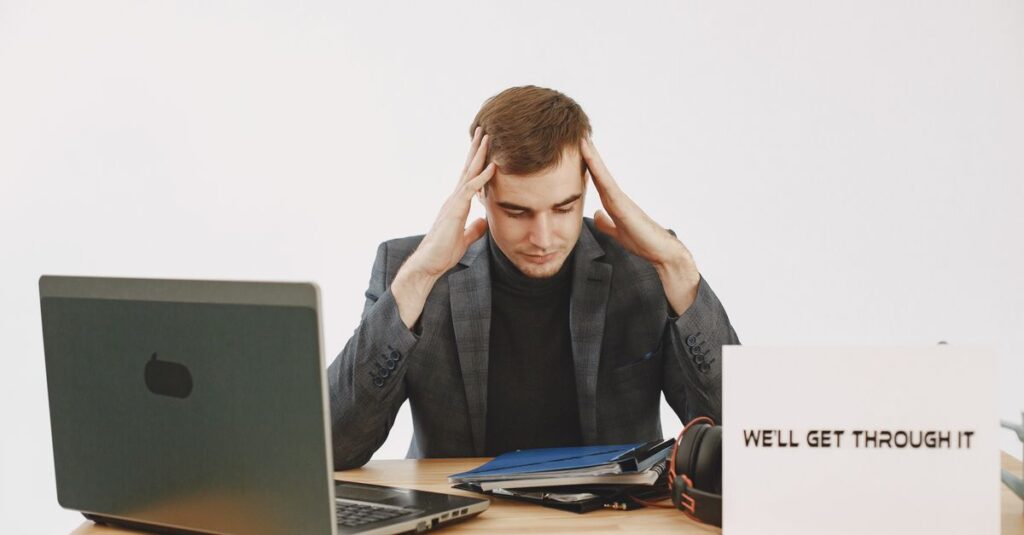
There’s no single symptom checklist that confirms chronic stress. People respond differently, and many of the signs overlap with other health conditions. Still, a change that persists or affects daily life is worth noticing.
Common signs include:
- Irritability, worry, or feeling overwhelmed
- Trouble concentrating or making decisions
- Fatigue, even when you’ve had time to rest
- Difficulty falling asleep, staying asleep, or waking refreshed
- Headaches, muscle tension, or stomach problems
- Changes in appetite or eating habits
- Pulling away from people or losing interest in usual activities
- Relying more on alcohol, tobacco, or other substances to get through the day
These symptoms are described in guidance from the NIH Office of Research on Women’s Health, the NHS, and the NCBI Bookshelf. They can be clues, not proof. A headache, for example, might coincide with a stressful period, but that doesn’t establish stress as its cause.
One useful question is whether you can return to your usual level of calm after a demanding event. If pressure continues from one day to the next—with little chance to rest or feel safe—your body may have fewer opportunities to recover. The length and intensity of stress vary, so there isn’t one duration that defines chronic stress for everyone.
How chronic stress can affect health
The stress response involves interacting systems in the brain and body, including pathways that regulate stress hormones. These systems help you respond to demands, but persistent stress can interfere with sleep, digestion, mood, and overall well-being. Research also links long-term stress with cardiovascular and mental health concerns, though the relationship is complex. The National Center for Complementary and Integrative Health (NCCIH) notes that stress research can be difficult to interpret because people’s health, circumstances, and behaviors affect one another.
That distinction matters: an association doesn’t prove that stress alone caused an illness. A person’s symptoms and risks can be shaped by many factors, including existing health conditions, living circumstances, and access to support. It’s more accurate to say that persistent stress may contribute to health problems or worsen some conditions than to claim it inevitably causes a particular disease. A review of chronic stress research also describes the complexity of these links.
Stress may affect health indirectly, too. If you’re sleeping poorly, skipping meals, moving less, or turning to alcohol for relief, those changes can make it harder to feel well and cope with further demands. NCCIH describes these kinds of connections between stress and health behaviors.
None of this means every ache or sleep problem is “just stress.” Don’t use stress as a reason to dismiss new, severe, persistent, or worrying symptoms. A health professional can help consider other causes and decide what support might fit.
Chronic stress, anxiety, and burnout aren’t the same thing
These experiences can overlap, but the terms aren’t interchangeable. Stress often relates to pressure or demands—such as a heavy workload, caregiving, financial strain, or uncertainty. Anxiety involves persistent fear or worry and can continue even when a specific stressor isn’t present. Burnout is commonly used for exhaustion and detachment associated with prolonged demands, particularly at work, but the term alone doesn’t establish a diagnosis.
You don’t need to identify the perfect label before asking for help. If you’re struggling to function, feel persistently low or worried, or notice your coping habits changing, describe what’s happening and how long it has been affecting you. A clinician can assess the symptoms and consider other explanations.
What can help when stress keeps building
There isn’t one technique that removes every source of chronic stress. Practical coping usually combines two things: reducing avoidable pressure and making room for recovery. If the main stressor is a real constraint—such as unsafe circumstances, caregiving responsibilities, or a workload you can’t control—self-care alone may not solve it. Support or changes to the situation may matter more.
Notice the pattern before choosing a solution
For a week, jot down a few details when stress spikes:
- What was happening just before it?
- What did you notice in your body, mood, or attention?
- What did you do next?
- Did anything help, even briefly?
Keep it simple; the point isn’t to track every feeling. You might notice, for example, that headaches tend to follow back-to-back meetings, or that worry gets worse late at night when unfinished tasks come to mind. A pattern can suggest where to start, but it doesn’t diagnose the cause of a symptom.
Then separate problems into two groups: what you can change now, and what you can’t change immediately. For a changeable problem, choose a small, specific action—such as asking to move a deadline, blocking time for one priority, or breaking a task into the next 15-minute step. If the stressor can’t be removed, consider what support, boundary, or recovery time could make it less consuming.
Make one manageable change to the load
When everything feels urgent, a long to-do list can add pressure rather than reduce it. Try choosing one essential task, one task that can wait, and one thing you can ask someone else to help with. If you’re overloaded at work or at home, be specific when raising it: “I can finish A by Friday, but not A and B. Which should come first?” That gives the other person something concrete to respond to.
Not every stressor is negotiable, and not everyone has the same control over work, money, or caregiving. Advice to “set boundaries” can ring hollow if there’s no realistic way to refuse a demand. In that case, look for support from a trusted person, workplace contact, community resource, or health professional who can help you think through available options.
Give your body a brief chance to settle
Slow breathing, stretching, mindfulness, or a quiet pause may ease tension for some people. These practices are coping tools, not guaranteed cures. If a breathing exercise makes you feel uncomfortable or more distressed, stop and try a different approach—such as noticing your feet on the floor, taking a short walk, or sitting somewhere quieter. NIH and NCCIH guidance discusses stress-management approaches while noting that evidence and results vary.
Keep the practice modest enough to repeat. A few minutes during a lunch break may be more realistic than expecting yourself to add a demanding daily routine. If you enjoy yoga or mindfulness, they may be useful parts of your routine; they don’t replace addressing harmful conditions or getting care when you need it.
Support the basics, without turning them into another test
Regular activity, sleep, nutritious food, and social connection can support well-being. Start with the part that feels most achievable: a short walk, a more consistent bedtime routine, a regular meal, or a check-in with someone you trust. NIH guidance recommends small routine changes as part of building resilience (NIH Office of Research on Women’s Health).
These habits aren’t a guarantee against stress, and missing them doesn’t mean you’ve failed. If you’re exhausted or short on time, a realistic adjustment is more useful than a perfect plan you can’t maintain. Notice, too, if you’re increasingly using alcohol, smoking, drugs, or gambling for relief. The NHS advises against relying on these as coping strategies, as they can add to problems with mental health.
When to seek professional support
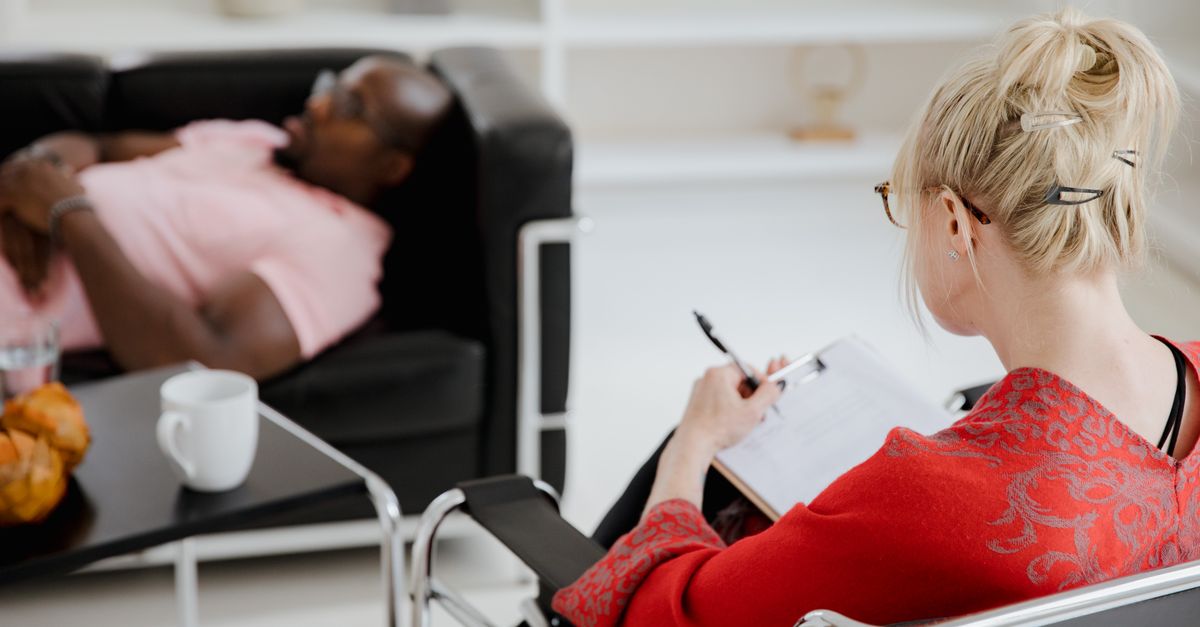
Consider speaking with a health professional if stress feels difficult to cope with, self-help isn’t making a difference, or symptoms are affecting your work, relationships, sleep, or daily activities. You can start by explaining what has changed, when it began, and what you’ve already tried. A clinician can assess your symptoms, consider medical or mental health causes, and discuss appropriate support. Both the NHS and NIH recommend reaching out when stress is hard to manage.
Getting help doesn’t mean you’ve failed to cope. It may mean that the pressure is too much to handle alone, or that a symptom needs a closer look. You can also ask someone you trust to help you take the first step—whether that’s making an appointment or talking through which problem to address first.
For today, write down the one stressor that is taking up the most space in your mind, then choose a single next step: change one part of it, ask for support, or arrange a conversation with a professional.
FAQ
What is chronic stress?
Chronic stress is ongoing pressure that makes it hard for your body and mind to settle after dealing with demands or threats. There isn’t one duration that defines chronic stress for everyone.
How is chronic stress different from anxiety or burnout?
Stress often relates to pressure or demands. Anxiety involves persistent fear or worry and can continue even when a specific stressor isn’t present. Burnout is commonly used for exhaustion and detachment associated with prolonged demands, particularly at work. These experiences can overlap, but the terms aren’t interchangeable.
When should I seek professional support for stress?
Consider speaking with a health professional if stress feels difficult to cope with, self-help isn’t making a difference, or symptoms are affecting your work, relationships, sleep, or daily activities.